How to Transition an Outdoor Patio Into a Winter Space?

Time:2026-10-12 Author:Liam
0%

Cold weather changes an outdoor patio quickly. Wind finds small gaps, while damp cushions become heavy and unpleasant. Learning how to transition an outdoor patio into a winter space requires comfort, planning, and careful attention to safety. The aim is not to recreate a sealed indoor room. It is to create a sheltered area that remains useful during crisp mornings, light rain, and quiet evenings.

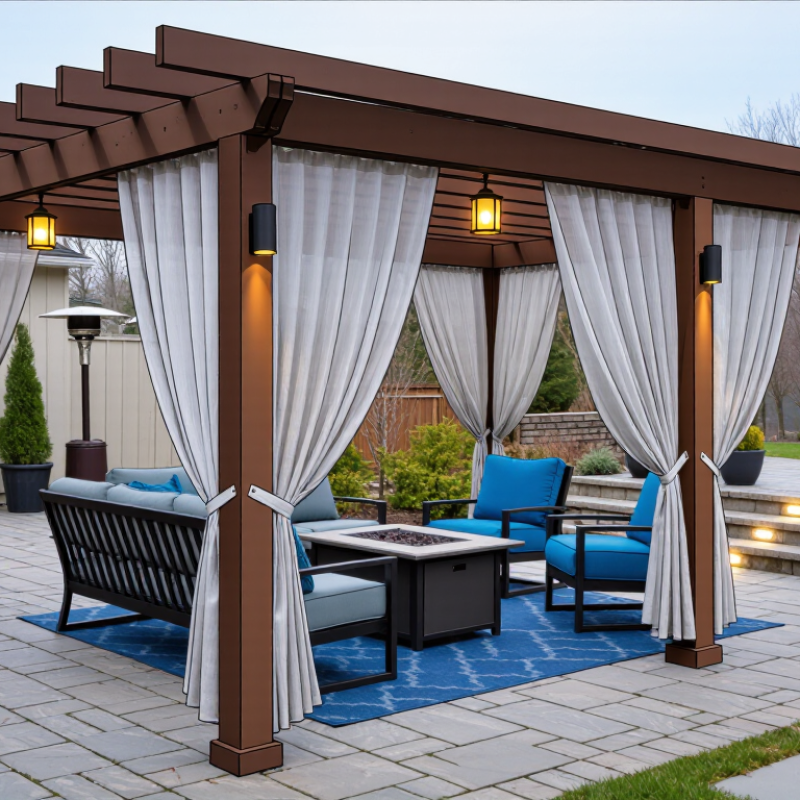
Begin by studying how the patio behaves throughout the day. Note where rain collects, which corners receive sunlight, and where cold air enters. Weather-resistant curtains, clear outdoor panels, and tightly fitted screens can reduce drafts without blocking every view. Add a washable outdoor rug underfoot, then choose cushions made for moisture resistance. A storage bench can protect blankets when the weather changes suddenly. Small details matter.

Heating requires more caution. Use only equipment designed for outdoor conditions, and follow the manufacturer’s clearance instructions. Keep heaters away from curtains, furniture, and overhanging branches. Never use fuel-burning equipment in an enclosed or poorly ventilated area. Local building and electrical requirements may also apply, so checking with a qualified professional is sensible.

Layered lighting can make the patio feel inviting after sunset. Warm, low-glare fixtures work well near seating, while brighter lights should cover steps and walkways. Honestly, the first arrangement may not feel right. Curtains can flap, rugs can hold moisture, and seating may need to move. Treat those problems as useful feedback. A practical winter patio develops through observation, adjustment, and consistent maintenance.
How to Transition an Outdoor Patio Into a Winter Space?

Assess the Patio’s Structure, Exposure, and Winter Safety Needs

Before turning an outdoor patio into a winter space, inspect its basic structure. Check posts, beams, fasteners, roofing, and the connection to the house. Look for soft wood, rust, cracked concrete, or water stains. These small signs can signal larger failures.

In practice, a covered patio is not automatically winter-ready. Measure how wind, rain, snow, and shade affect the area throughout the day. Watch where water collects after a storm. Poor drainage can create ice near steps and doorways. Snow may also gather on a roof that was never designed for heavy loads. A qualified contractor should verify the structure, local requirements, and safe load limits. A quick visual inspection is not enough.

Winter safety also depends on movement and equipment. Test the walking surface when it is wet. Add secure handrails where steps become slippery. Keep heaters, candles, and other heat sources away from curtains, furniture, and overhead materials. Outdoor electrical connections need weather protection and ground-fault safety. Never run indoor equipment outside. I once underestimated how quickly a shaded threshold became icy, so lighting and traction deserve more attention than expected. Leave enough clearance for doors, ventilation, and emergency access. A warmer patio can still be dangerous if people cannot exit easily.

Choose Weather-Resistant Materials for Walls, Flooring, and Furnishings

Turning a patio into a winter room begins with surfaces, not heaters. Walls should resist rain, freeze-thaw movement, and trapped vapor. Fiber-cement panels, treated masonry, or sealed exterior plywood can handle changing exposure. The U.S. Department of Energy’s Building America guidance stresses drainage and drying behind cladding. That detail matters. A beautiful wall fails when water has nowhere to escape.

For flooring, choose porcelain pavers, dense stone, or finished concrete rated for outdoor freeze-thaw conditions. ANSI A137.1 defines porcelain tile as having water absorption of 0.5% or less. Confirm that figure before buying. The Tile Council of North America’s EJ171 guidance commonly places exterior movement joints every 8 to 12 feet. Rigid surfaces still expand and contract. Use a sloped base and clear drainage paths. NOAA’s 1991–2020 Climate Normals use 30-year averages, yet local freeze cycles can differ sharply. One specification cannot fit every patio.

Furnishings need UV-stable fabrics, corrosion-resistant frames, and cushions that dry quickly. Raise wood from wet paving. Leave airflow beneath covers. In practice, wind is often underestimated; a light chair can move overnight. Anchor heavier pieces when necessary. I would not seal every gap. Ventilation protects materials, although it may reduce warmth. That trade-off deserves testing during a real cold, wet week.

Add Insulation, Wind Protection, and Seasonal Weather Barriers

A practical winter patio conversion begins with insulation, not decoration. Measure the ceiling, walls, and floor before buying materials. Rigid insulation panels can reduce heat loss along exposed walls. Seal gaps around posts, doors, and electrical openings with weather-rated sealant. Do not block necessary ventilation.

The floor is often overlooked. A thick outdoor rug adds comfort, but it cannot replace real insulation. If the patio sits above open ground, consider insulated floor panels beneath a finished surface. Keep insulation dry. Damp materials lose performance and may encourage mold. I once focused on the walls and ignored cold air rising through the floor. That mistake made the space uncomfortable.

Wind protection needs careful placement. Clear outdoor curtains, removable screens, or tightly fitted weather panels can block crosswinds without creating a sealed box. Leave a small ventilation path. Strong gusts can turn loose coverings into hazards, so inspect anchors after storms. Seasonal barriers should be removable and easy to store. Use heavier curtains on the windward side, then adjust them as the weather changes. Simple changes help.

Weather barriers also protect furniture and lighting. Choose water-resistant covers with breathable fabric, rather than airtight plastic that traps condensation. Check seams, corners, and roof edges after rain or snow. A small leak can travel surprisingly far. Winterizing an outdoor patio is partly technical and partly observational. Watch how the space behaves, because the original plan may need revision.

Install Safe Heating, Lighting, and Weatherproof Electrical Systems

Turning an outdoor patio into a winter room begins with controlled heat, clear lighting, and protected electrical connections. I have found that comfort depends more on placement than power. Position a heater away from curtains, furniture, and low branches. Keep its base stable on a level surface. Never leave it operating while nobody is nearby.

Choose equipment designed for outdoor exposure, and follow the manufacturer’s clearance instructions. A qualified electrician should inspect permanent wiring and confirm local requirements. Outdoor circuits need suitable residual-current or ground-fault protection. These devices can reduce shock risks when moisture reaches a damaged cable. They are not a substitute for careful installation.

Use weather-resistant boxes, sealed covers, and cable routes that avoid puddles or walking paths. Cables should not run beneath rugs, across doorways, or beside sharp patio edges. Select lighting with an appropriate ingress-protection rating, especially near rain or snow. Warm, low-glare fixtures can illuminate steps without making the patio feel harsh. Motion sensors may save energy, but they can become annoying during long dinners. I once planned too many lights and created uncomfortable shadows, so testing at night matters. Inspect connections after heavy rain, and replace cracked insulation immediately. Small oversights become serious outdoors.

Arrange Winter Furniture, Storage, Ventilation, and Maintenance Routines

How to Transition an Outdoor Patio Into a Winter Space?

Arrange winter furniture around warmth, movement, and moisture control. Place weather-resistant seating away from dripping roof edges and exposed corners. Leave at least 60 centimeters around doors, heaters, and walking paths. This spacing reduces accidents and makes cleaning easier. Keep aisles clear. A washable rug can soften cold tiles, but it must dry quickly after wet weather. Choose cushions with removable covers, then store them indoors during storms or prolonged humidity.

Storage needs to be practical, not decorative. Use sealed containers for blankets, lanterns, tools, and small outdoor accessories. Raise containers from the floor with a simple shelf or sturdy platform. This prevents water damage and allows air to circulate underneath. Avoid packing damp textiles. They may smell fine today and develop mold later.

Small gaps matter. I once stored cushions too tightly and found mildew along the hidden seams.

Ventilation protects the patio structure and your health. Keep screened openings partially clear, even during colder days. Never block vents with furniture or storage boxes. If the space has glazing, open it briefly when condensation appears. Do not use fuel-burning heaters in an enclosed area unless the equipment and installation meet local safety requirements. Check drainage, roof seals, and fasteners every few weeks. Sweep leaves from corners, tighten loose hardware, and inspect fabric for fading or tears. A maintenance routine can be simple, but skipping one inspection often creates a larger repair later.

FAQS

How should an outdoor heater be positioned for winter use?

Place it on a stable, level surface away from curtains, furniture, and low branches. Follow the required clearance distances. Never leave it running when nobody is nearby.

What electrical protection is needed outdoors?

Permanent outdoor wiring should be checked by a qualified electrician. Outdoor circuits need suitable residual-current or ground-fault protection. These devices reduce shock risks, but they cannot replace careful installation.

How can outdoor cables and connections stay dry?

Use weather-resistant boxes, sealed covers, and protected cable routes. Keep cables away from puddles, doorways, rugs, and sharp patio edges. Replace cracked insulation immediately.

What lighting works well in a winter patio?

Choose outdoor-rated lighting with an appropriate ingress-protection rating. Warm, low-glare fixtures can illuminate steps without harsh brightness. Test the layout at night because shadows may appear unexpectedly.

How much space should furniture leave around doors and heaters?

Leave at least 60 centimeters around doors, heaters, and walking paths. Keep aisles clear for safer movement and easier cleaning. More space may be better in busy households.

How should cushions, blankets, and rugs be stored?

Store cushions indoors during storms or prolonged humidity. Use sealed containers for blankets and accessories. Keep containers raised on a shelf or sturdy platform. Do not pack damp textiles.

Why is ventilation important in a winter patio?

Keep screened openings partly clear, even during cold weather. Open glazed sections briefly when condensation appears. Never block vents with furniture or storage boxes.

How often should the winter patio be inspected?

Check drainage, roof seals, fasteners, cables, and fabrics every few weeks. Sweep leaves from corners and tighten loose hardware. I once ignored hidden cushion seams, and mildew appeared later. Small gaps matter.

Conclusion

Learning how to transition an outdoor patio into a winter space begins with evaluating its structure, exposure to wind and moisture, drainage, and overall safety. Use durable, weather-resistant materials for walls, flooring, seating, and storage, while adding insulation, wind barriers, outdoor curtains, or removable panels to reduce drafts. These improvements can make the patio more comfortable without sacrificing its connection to the outdoors.

Safe heating and lighting should be installed according to local requirements, with proper ventilation and weatherproof electrical protection. Arrange furniture to preserve walking paths and keep heaters clear of flammable items. Store cushions and seasonal accessories in dry, covered containers, and establish a routine for checking moisture, clearing snow or debris, inspecting connections, and maintaining protective barriers. With thoughtful planning, the patio can become a practical winter retreat that remains comfortable, organized, and safe throughout the colder months.

Liam

Liam

Liam is a dedicated marketing professional with a profound expertise in the industry, where he excels at highlighting the unique advantages of our core products. With a keen understanding of market trends and consumer needs, Liam frequently updates our company’s professional blog, providing......