High-Demand Entryway Concepts for Mexico & Global Projects
The Furniture Manufacturing Ecosystem in Mexico
As global supply chains shift toward nearshoring, Mexico has emerged as a premier hub for North American furniture manufacturing. Spurred by the USMCA framework, rising oceanic freight costs, and the need for shorter lead times, contract furniture sourcing has experienced a major relocation. In the field of mudroom and entryway storage furniture, Mexico-based operations leverage deep-rooted artisanal woodworking heritage alongside growing technological infrastructure.
Key industrial centers like Jalisco (specifically Ocotlán, often dubbed the furniture capital of Mexico), Nuevo León, and Baja California boast clusters of factories specializing in both solid wood and panel manufacturing. However, sourcing from local Mexican factories presents distinct operational profiles. While they offer unparalleled proximity to the United States and Canada, B2B procurement professionals must navigate limitations in capacity scaling, structural hardware supply chains, and specialized technology integration like embedded smart LED controllers.
Geographic Proximity
Overland shipping routes from Monterrey or Guadalajara to US transit hubs require only 2 to 4 days, vastly reducing the cash-to-cycle times for high-volume contract projects.
Tariff & Trade Advantages
Products meeting USMCA rules of origin qualify for zero-tariff entry into the US, offering strategic tax insulation compared to direct Asian imports under Section 301 tariffs.
Artisanal Handcrafting
Mexican factories excel in solid rustic timber furniture, highlighting unique regional materials like Parota, local pine, and hand-applied rustic finishes.
Mexico Sourcing vs. Chinese Manufacturing Efficiency
Understanding the structural differences between manufacturing nodes is essential for optimizing procurement margins. While Mexico provides proximity, major Chinese hubs like Guangdong represent the peak of furniture automation, materials sourcing, and production speed.
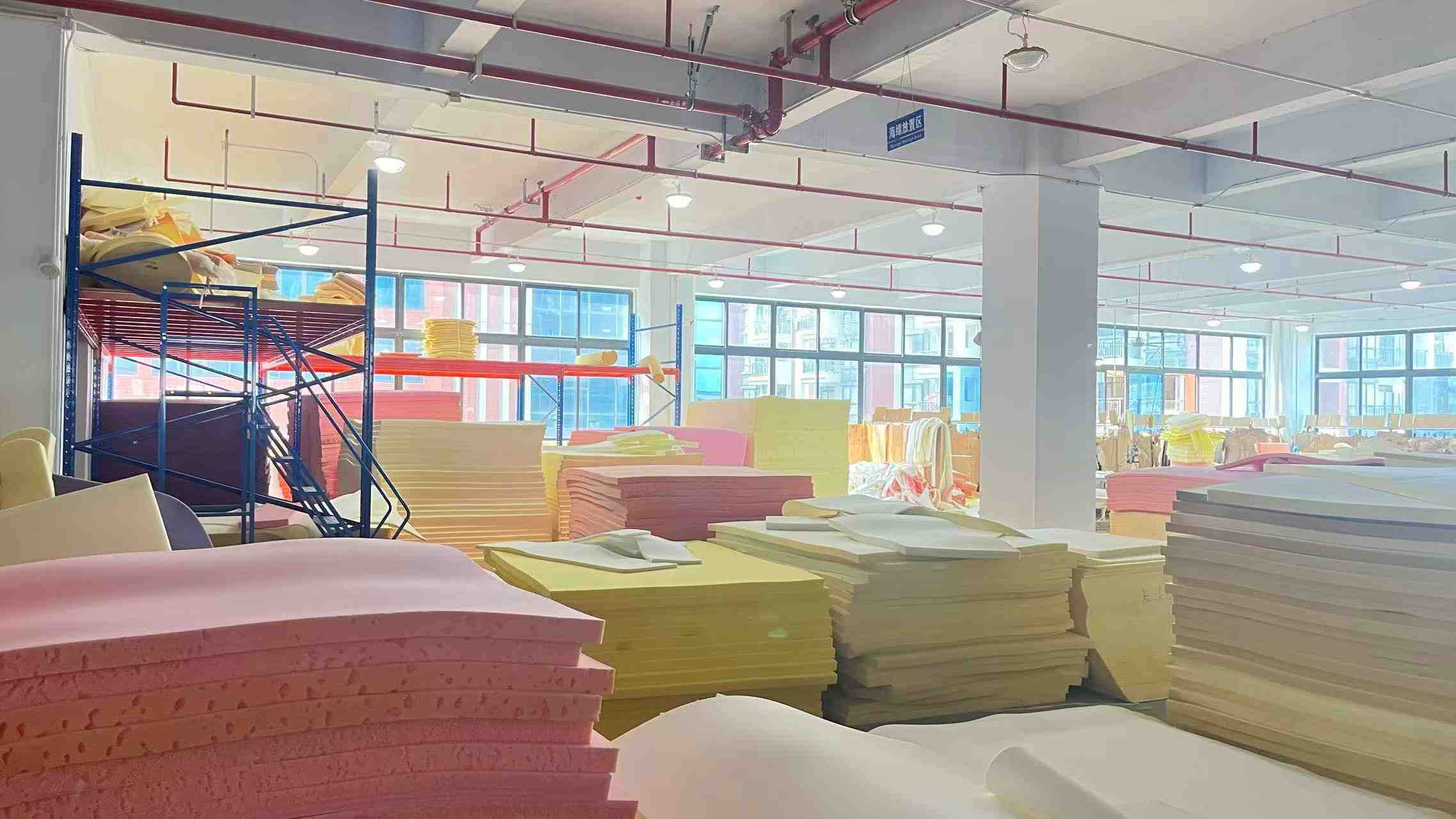
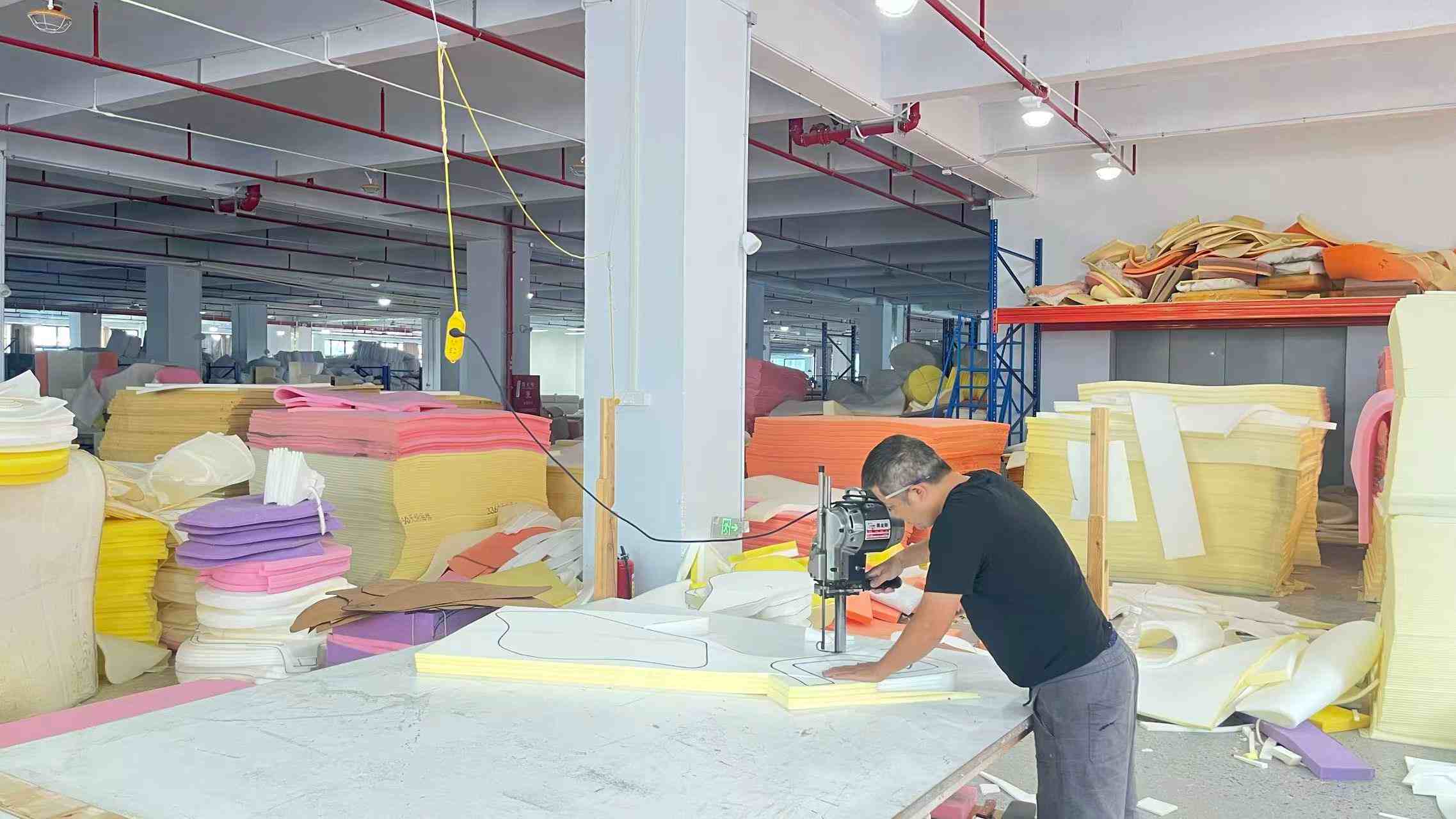
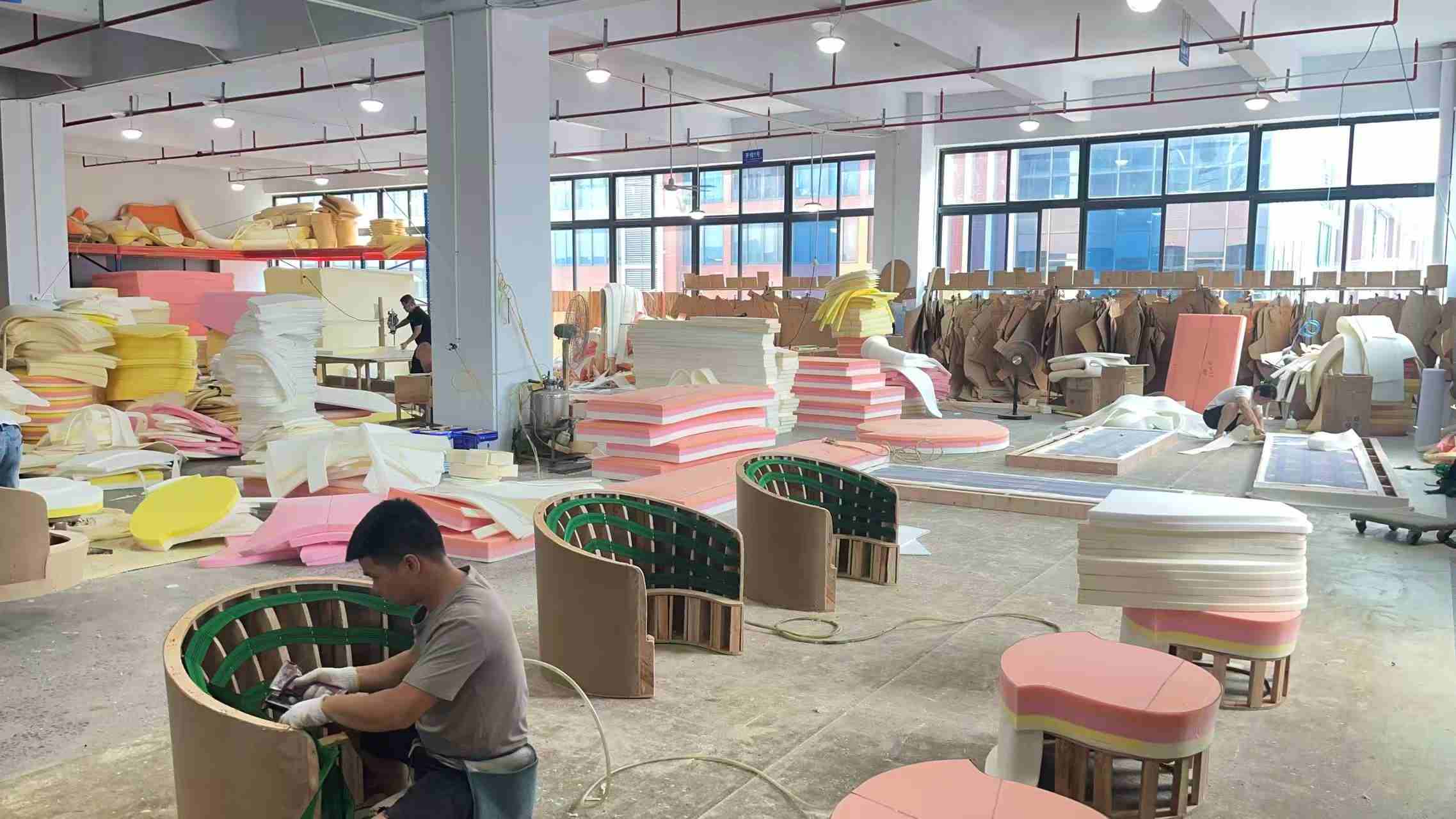
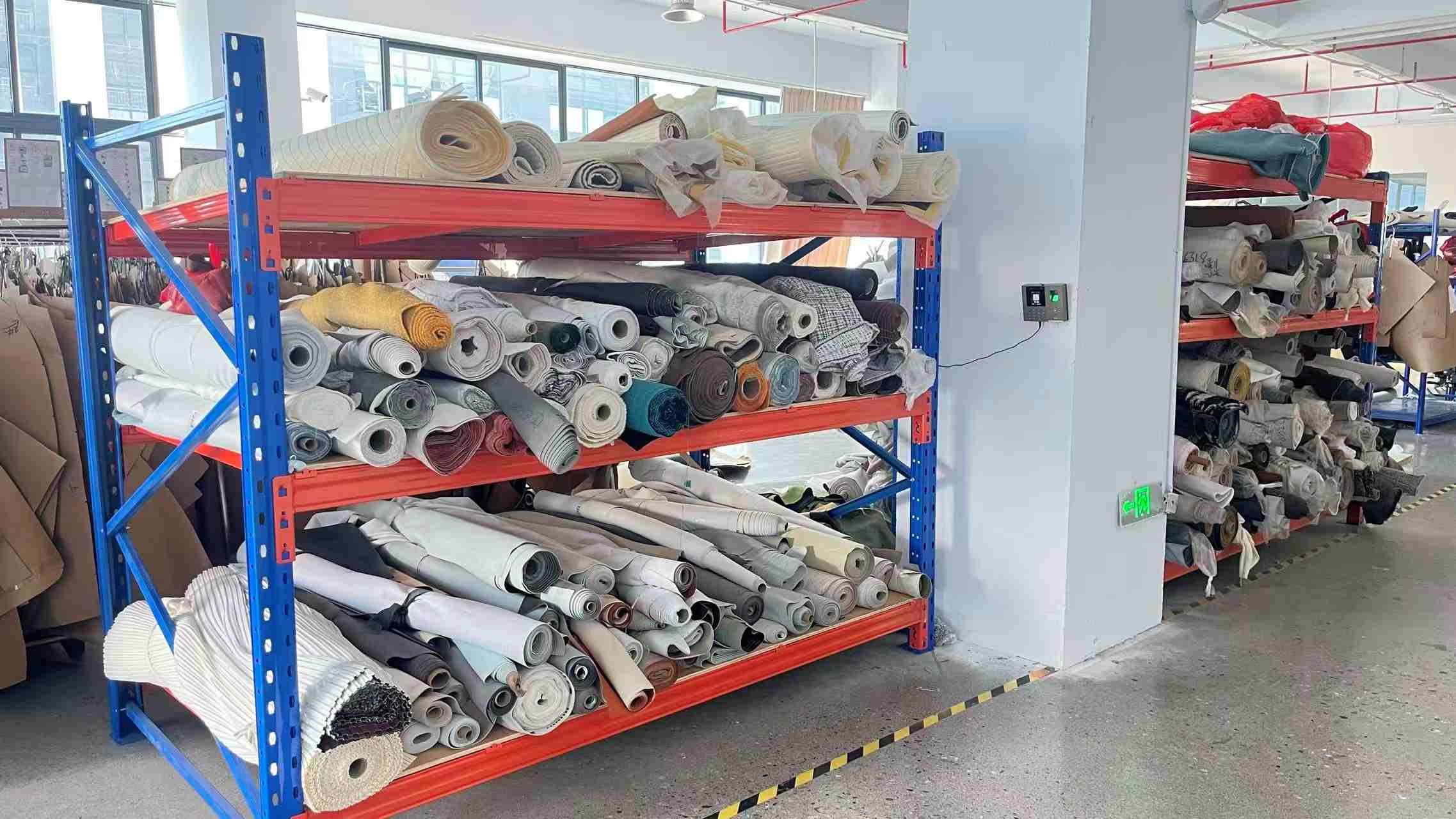
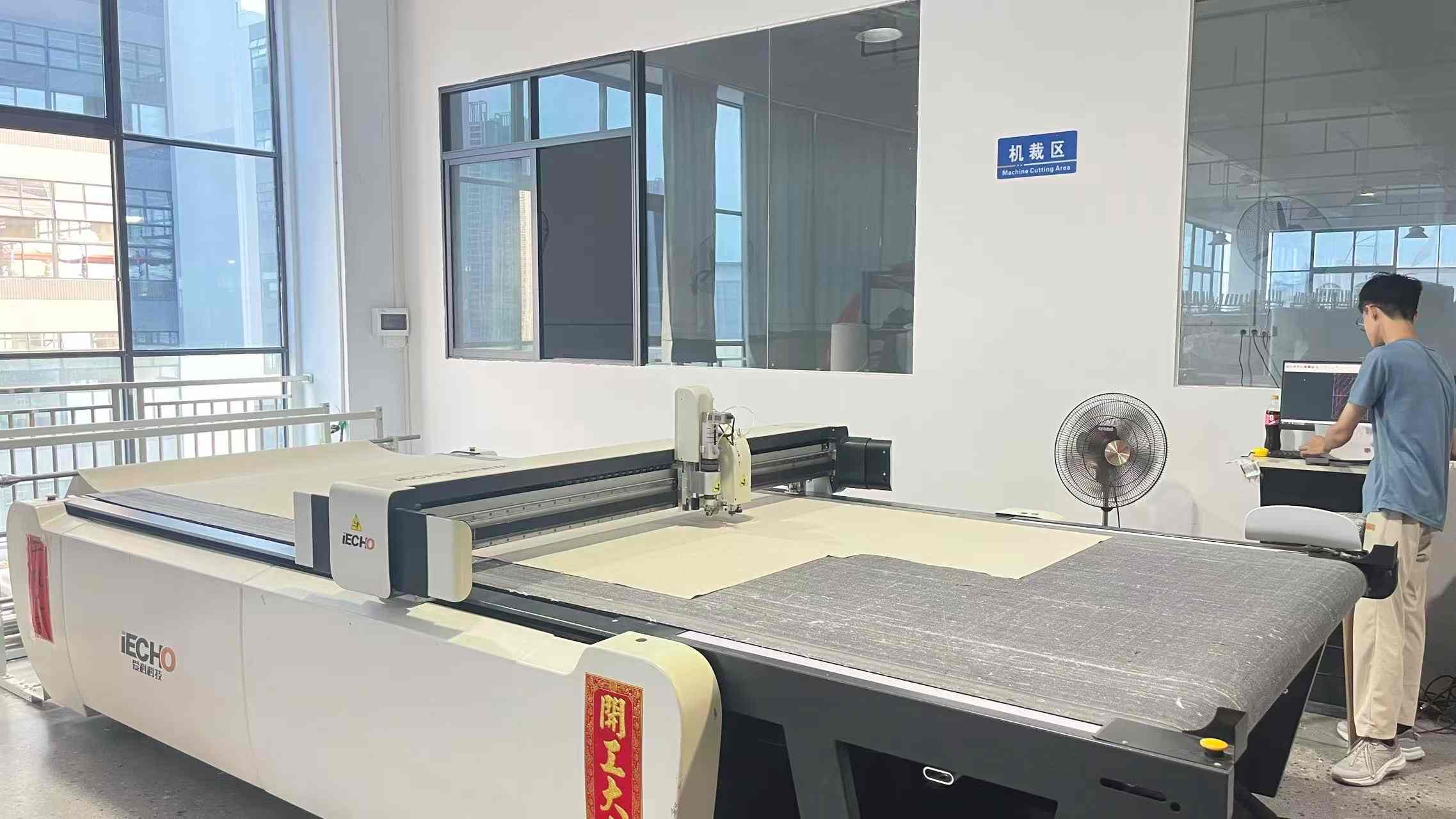
Guangdong Kallos House Co., Ltd. demonstrates these advantages. Operating five modern production facilities spanning 50,000 square meters, our plant features computerized CNC cutting paths, automatic edge-banding, and advanced dust-free lacquer lines. This high level of industrialization guarantees consistent quality and dimensional accuracy across high-volume production runs.
Why Global Brands Combine Sourcing Strategies
- Raw Material Ecosystems: Chinese manufacturers operate next to dense hardware and component clusters, providing immediate access to soft-close mechanisms, custom aluminum extrusions, and smart home lighting integrations.
- Scale and Automation: Modern automated plants reduce labor costs per unit and eliminate human error in doweling, cutting, and drilling, resulting in assembly tolerances below 0.5mm.
- Bespoke Prototyping: Dedicated design centers generate professional 3D CAD/CAM layouts and photorealistic renders quickly, shortening client approval cycles.
Localized Application Scenarios in Modern Real Estate
Modern entryways function as critical organization points within both private residences and commercial developments. Sourcing entryway and mudroom furniture requires selecting designs and materials tailored to specific architectural environments:
1. Coastal Mexican & Caribbean Villas (Cabo, Riviera Maya)
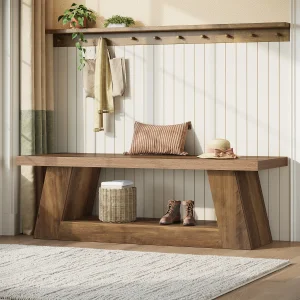
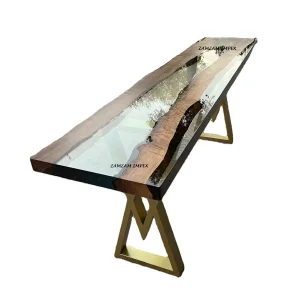
Resort properties demand humidity-resistant structures and moisture-stable coatings. Materials like engineered solid ash, treated teak, or marine-grade plywood are preferred over standard fiberboards to prevent swelling and delamination. Our custom wood and resin console tables offer the necessary stability while providing a striking aesthetic anchor for luxury lobbies and entry vestibules.
2. High-Density Urban Developments (Mexico City, Guadalajara)
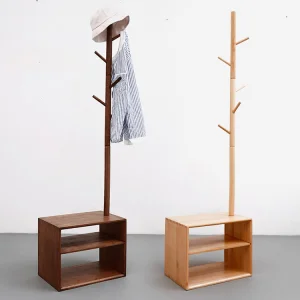
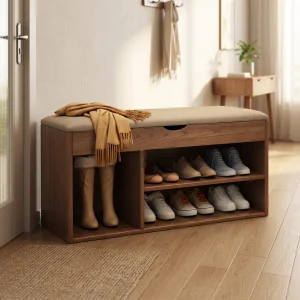
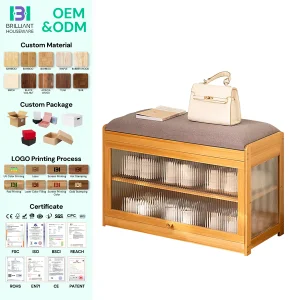
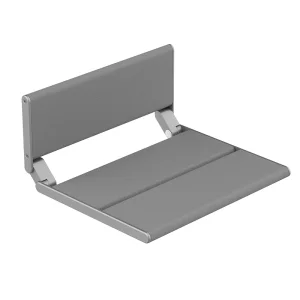
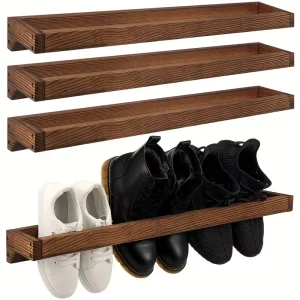
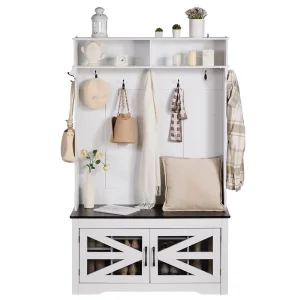
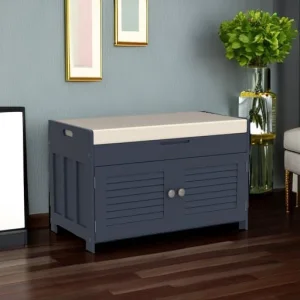
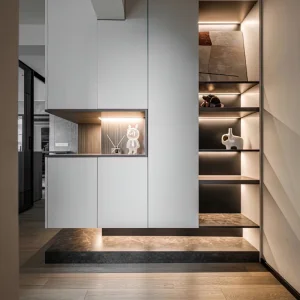
Urban apartments and loft layouts require smart, compact organization. Vertical mudroom trees, wall-mounted folding shoe benches, and narrow-profile consoles (under 30cm depth) maximize space without restricting traffic flow. Incorporating built-in LED lighting and hidden soft-close compartments helps optimize small entry corridors.
3. Master-Planned Residential Communities (Monterrey, Queretaro)
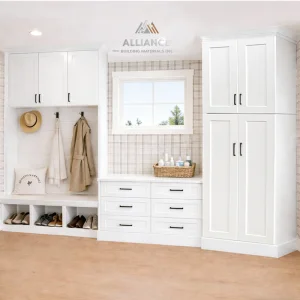
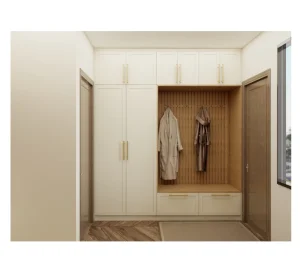
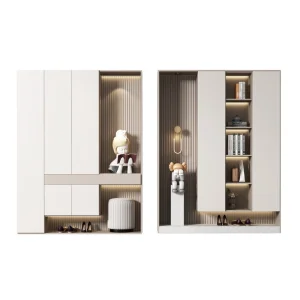
New suburban builds frequently incorporate dedicated mudrooms and drop zones. For these projects, contract developers utilize modular shaker-style built-in wardrobes, shoe bench configurations, and integrated coat rack assemblies. This creates a cohesive transitional space between garages or front doors and the main living areas.
Entryway & Mudroom Furniture Industry Trends
The global entryway furniture market is evolving from simple utility benches toward multifunctional, high-performance systems. Key design and engineering trends include:
- Smart Storage Integration: Modern mudrooms increasingly feature integrated tech, including wireless charging pads, built-in LED lighting with motion sensors, and power outlets for handheld vacuums or boot dry systems.
- Eco-Friendly & Low-VOC Materials: Conforming to LEED, CARB Phase 2, and EPA TSCA Title VI standards is essential for commercial projects. Sourcing furniture made with low-formaldehyde adhesives and water-based finishes is critical for maintaining indoor air quality in residential entry zones.
- Mixed-Material Design: High-performance designs regularly combine natural wood textures with powder-coated aluminum, steel structures, and composite stone tops. This creates durable surfaces capable of withstanding daily foot traffic and moisture.
Global B2B Procurement Strategy
Sourcing large contract volumes requires a clear logistics strategy. Buyers must weigh the benefits of local sourcing against global manufacturing partnerships:
While Mexican factories offer geographical advantages, many major North American distributors utilize a dual-sourcing model. They source high-volume standard lines and high-complexity designs from specialized automated manufacturers in Guangdong, while using regional nearshore factories for final local distribution, assembly, or rapid replenishment of fast-moving products. This approach balances raw unit costs, tooling speed, and overall logistics flexibility.
Guangdong Kallos House Co., Ltd.
Established in 2013, Guangdong Kallos House Co., Ltd. is a contract-grade furniture manufacturer specializing in living room, bedroom, entryway, and custom residential millwork. Over the past decade, the company has expanded to operate five modern production facilities covering approximately 50,000 square meters. The plant integrates digital design workflows with automated manufacturing processes to serve residential and commercial projects globally.
Employing over 500 professionals—including a dedicated team of 100 designers, structural engineers, and quality assurance specialists—Kallos House provides end-to-end OEM and ODM services. This includes producing detailed 3D shop drawings, space planning, material matching, and executing strict multi-stage quality control to ensure every batch meets international standards for durability and safety.
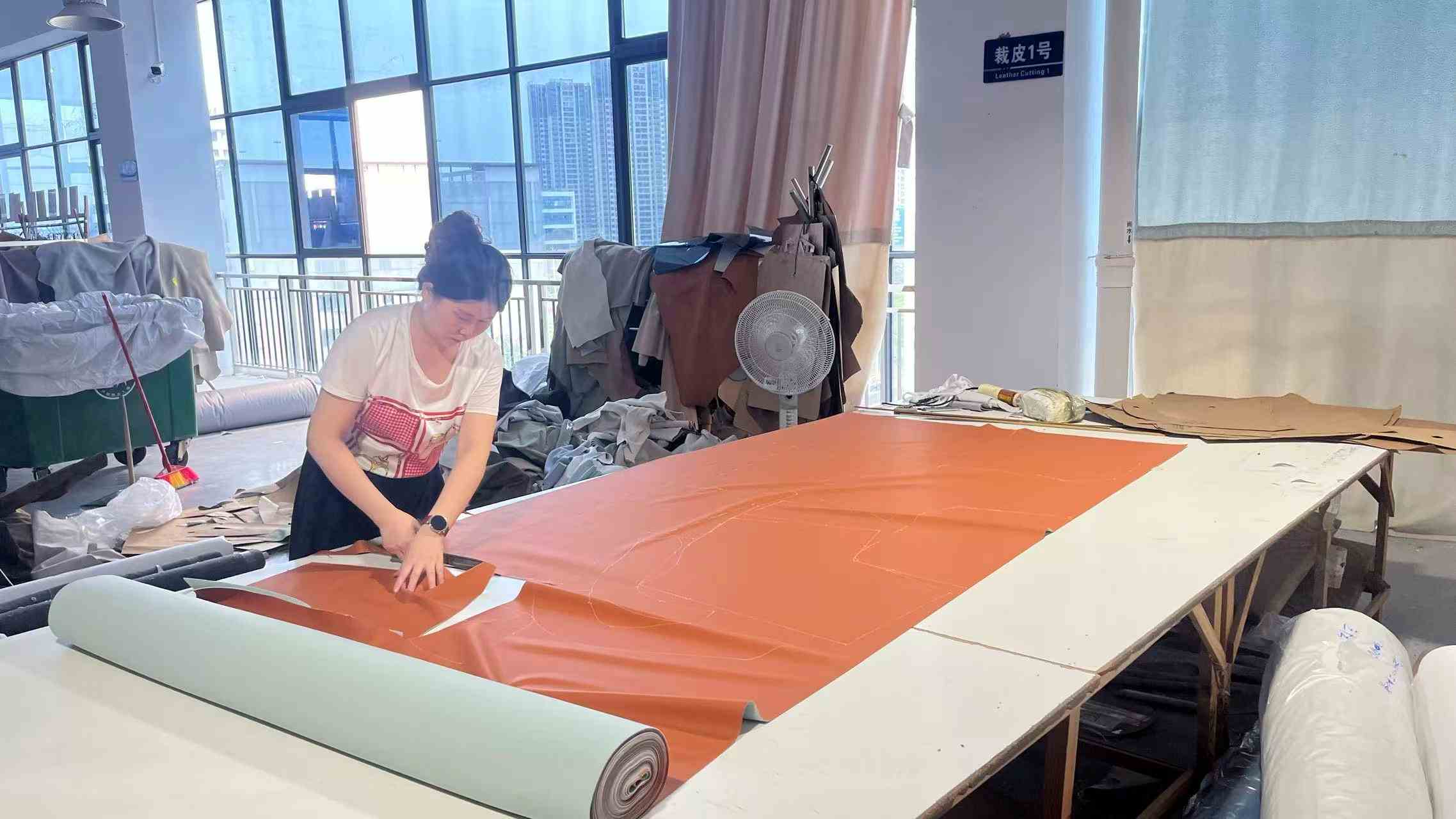
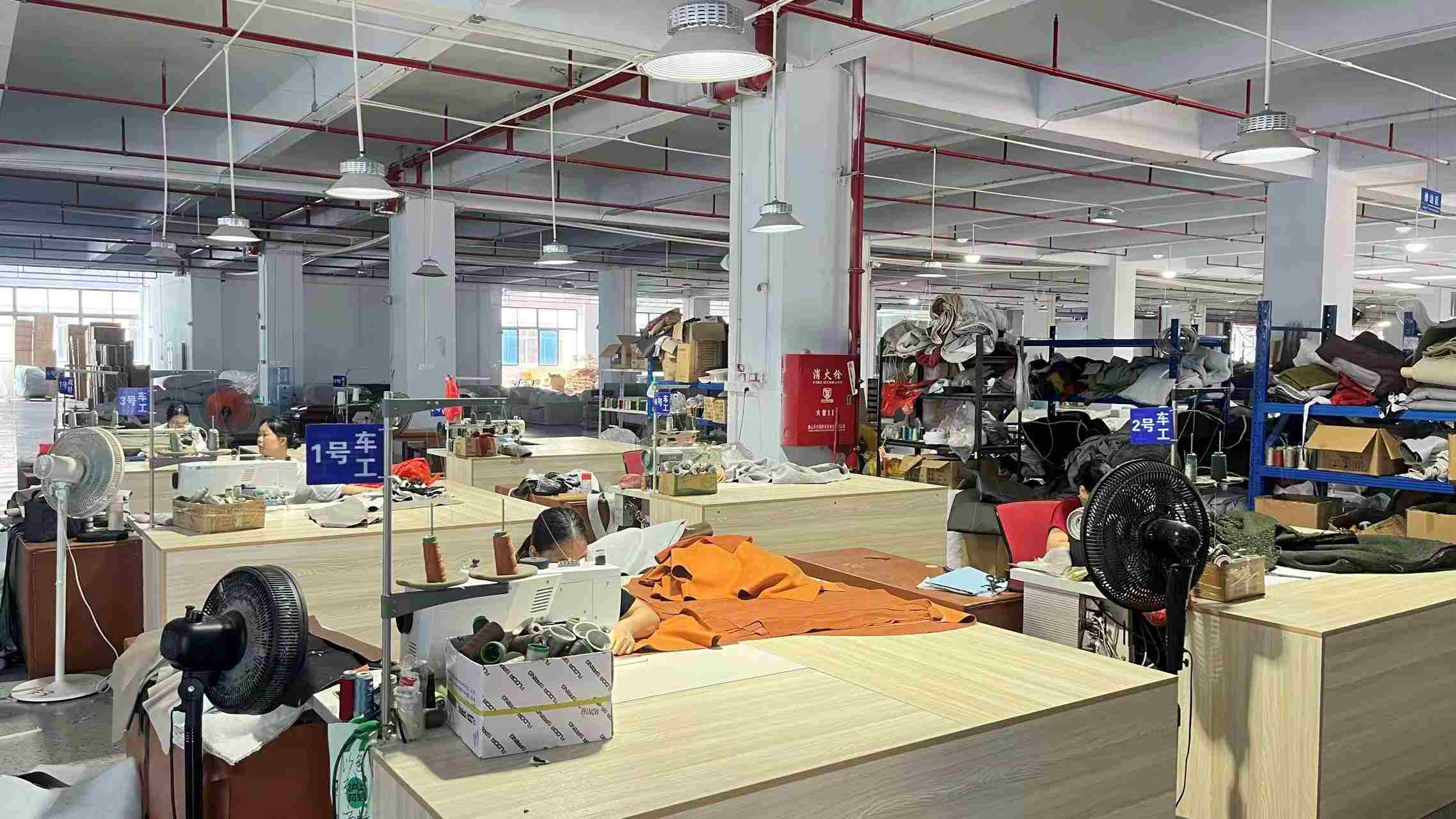
Inside Our Production Facilities
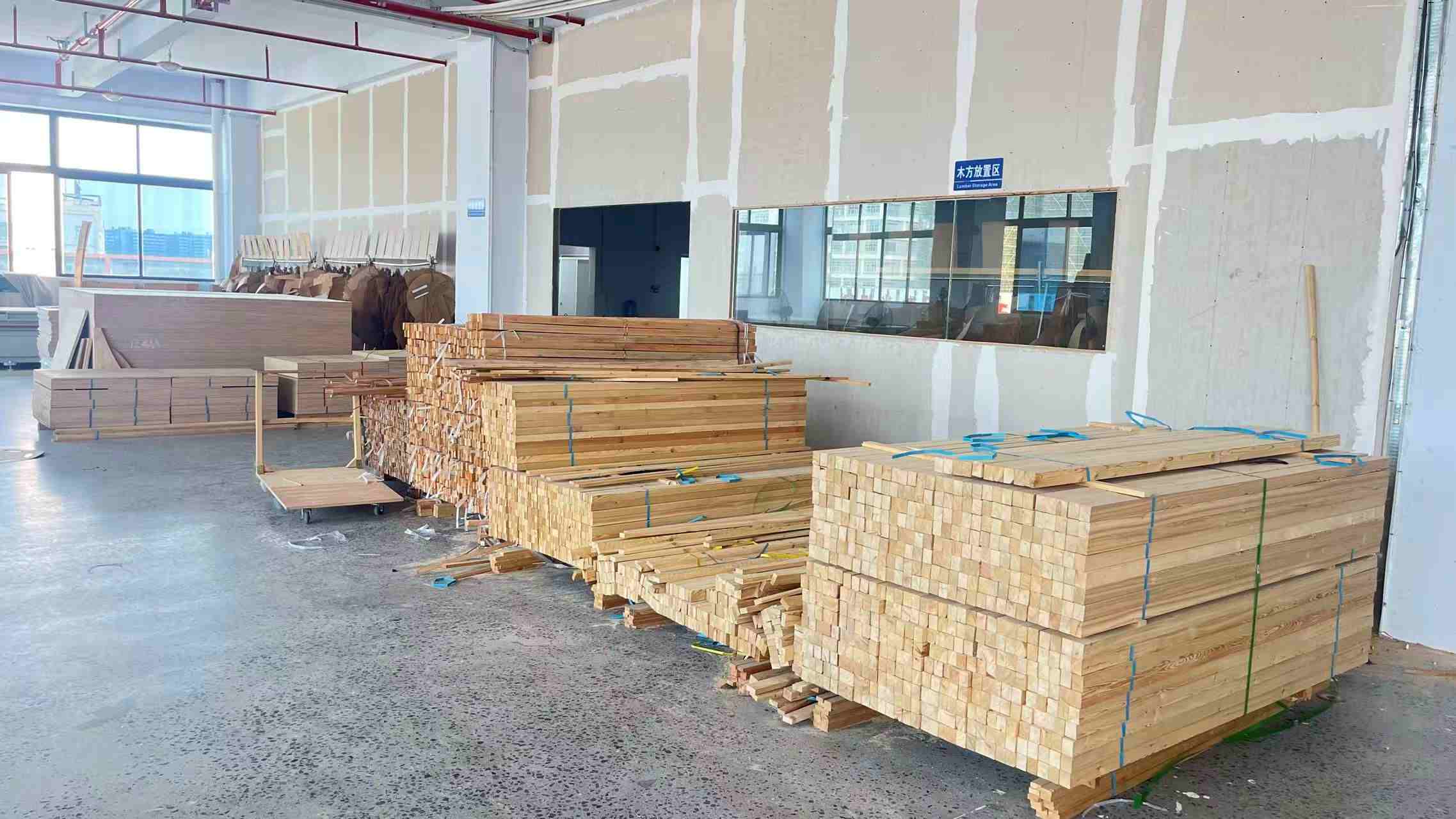
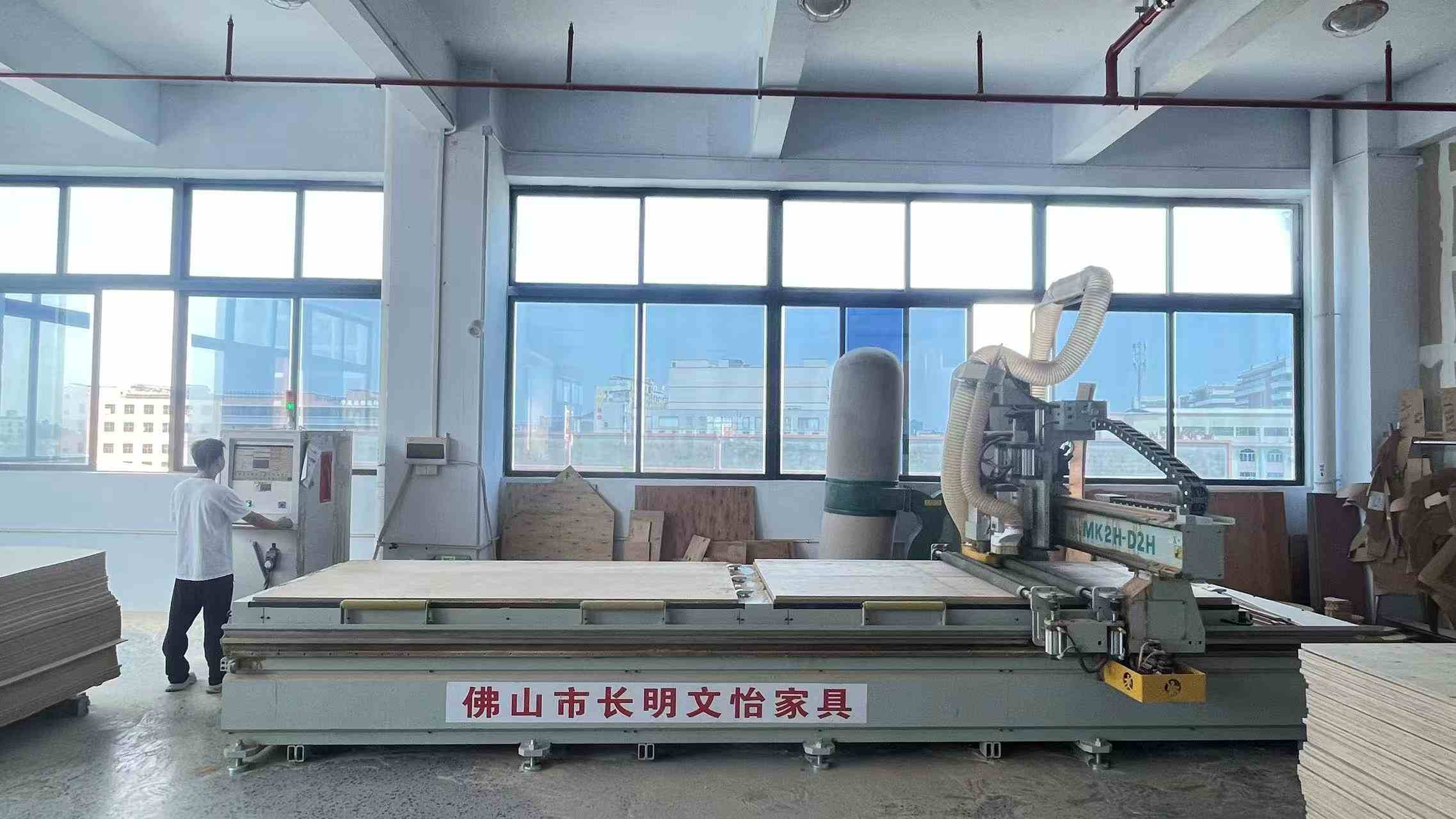
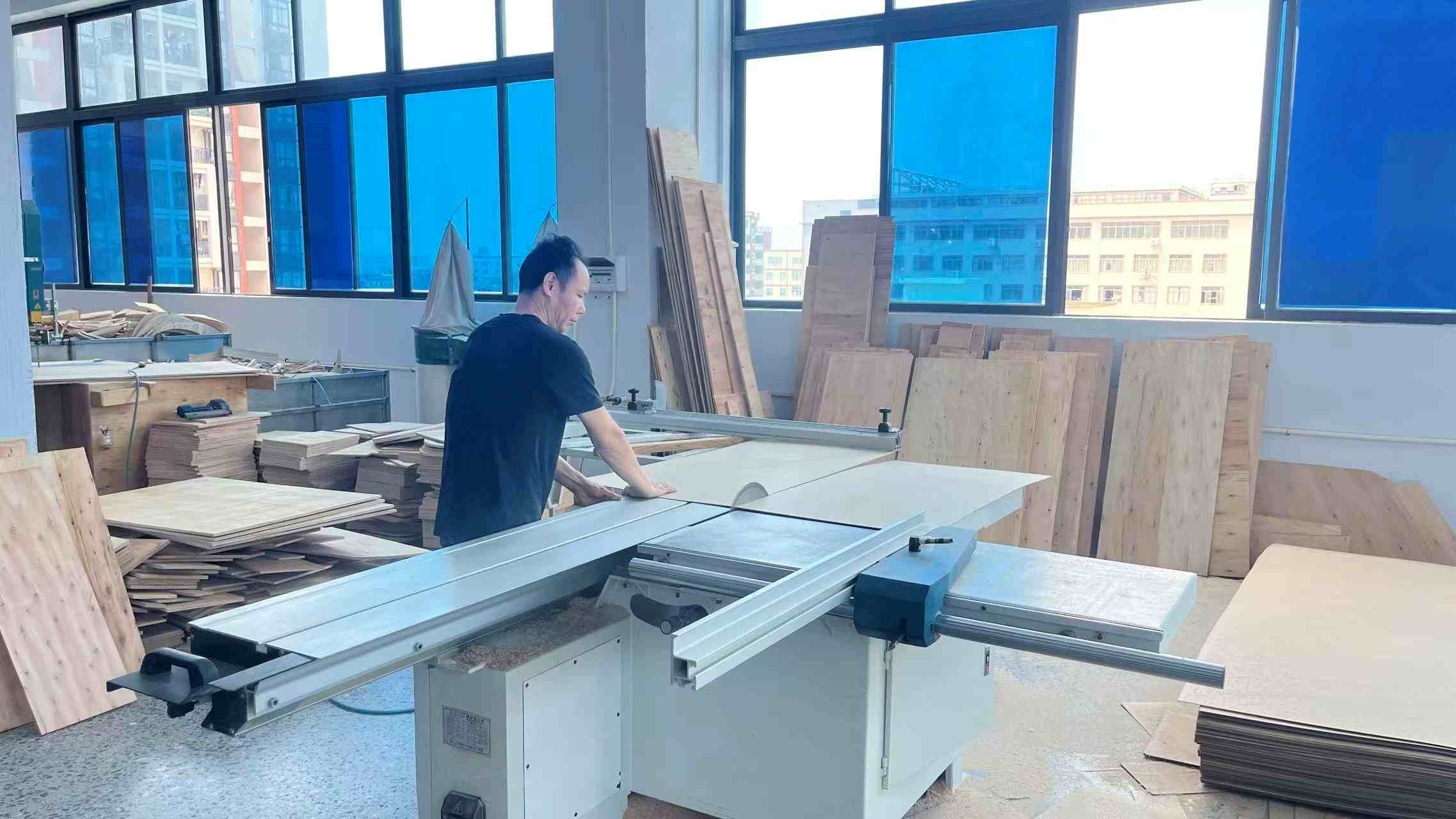
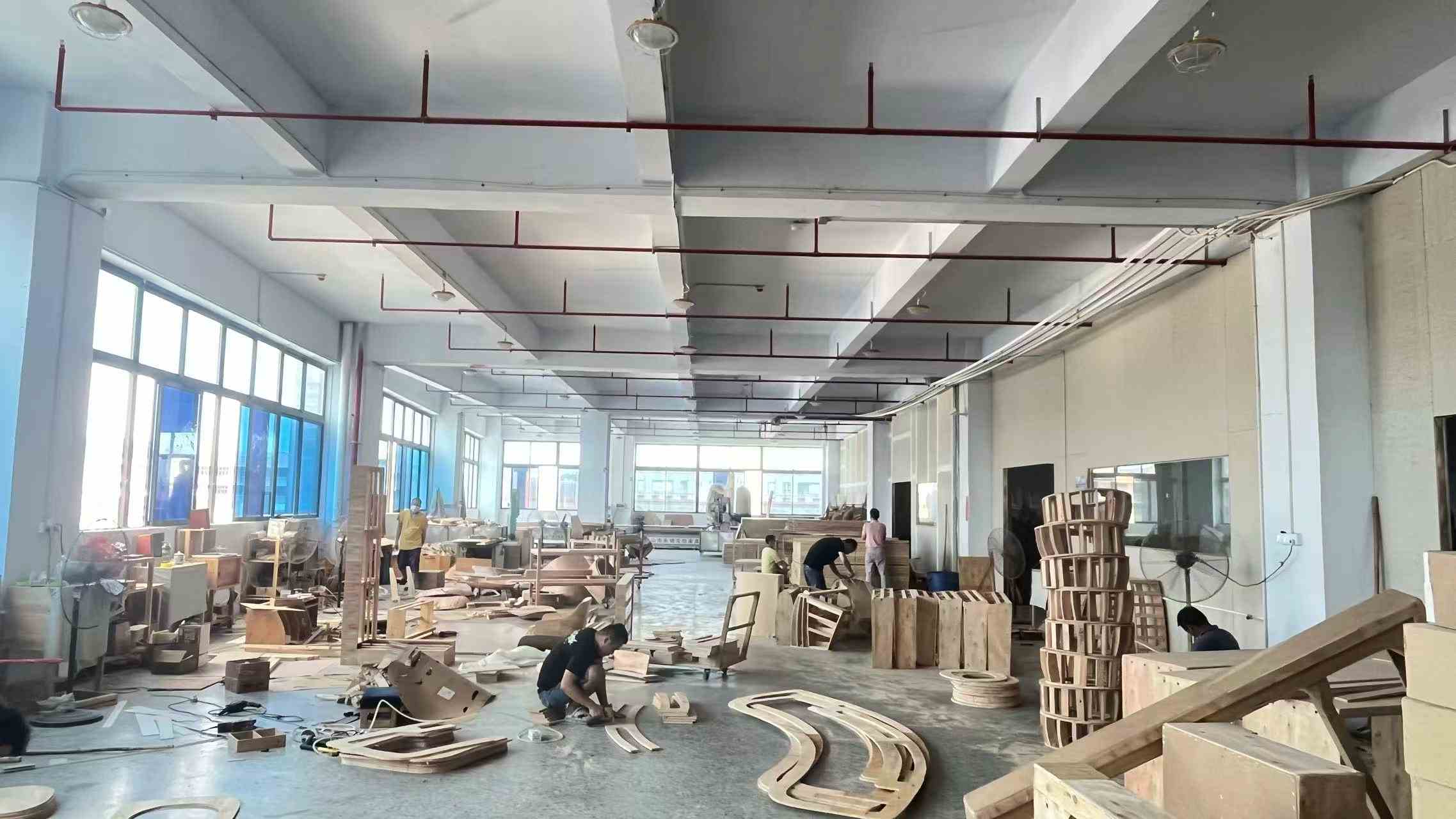
Expanded Entryway, Mudroom, & Specialized Architectural Units